Hugging Face CEO calls for ‘radical transparency’ after ‘unprecedented’ OpenAI hack
Mirrored from TechCrunch — AI for archival readability. Support the source by reading on the original site.

Posted:

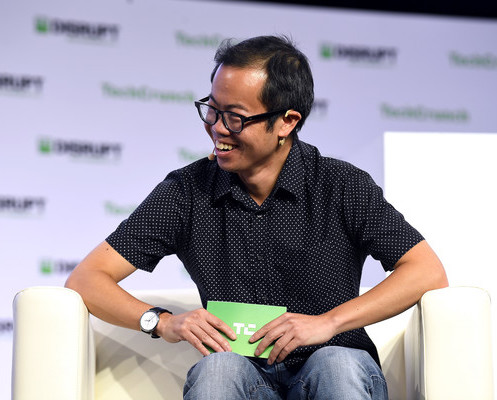
Hugging Face CEO calls for ‘radical transparency’ after ‘unprecedented’ OpenAI hack
After OpenAI recently admitted that one of its models had breached the systems of AI platform Hugging Face, Hugging Face’s CEO Clem Delangue posted on X that he was flying to San Francisco to have “a little chat with that ‘rogue agent.’”
Then, in a follow-up post on Saturday, Delangue outlined what he’d asked for from OpenAI. He said he called for “radical transparency,” asking OpenAI to “release the traces from the ‘rogue’ agents so the entire research community can study what happened.”
And he also wants “more capabilities for defenders,” calling for OpenAI to commit $100 million worth of computing power “to help the Hugging Face community build powerful cyber defenses with the best open and closed models.”
Delangue added, “The first autonomous agent cyberattack is an unprecedented event. It deserves an unprecedented response!”
Despite the autonomous nature of the attack, cybersecurity experts suggested that it could also be blamed on human error — namely, OpenAI’s apparent failure to properly configure what should have been a fully isolated testing environment.
Topics

Scale faster. Grow your portfolio. Gain practical expertise. No matter your goal, Disrupt can empower you.
Save up to $330 today!
Newsletters
Subscribe for the industry’s biggest tech news


Latest in Security
-
 In BriefHugging Face CEO calls for ‘radical transparency’ after ‘unprecedented’ OpenAI hack16 seconds ago

More from TechCrunch — AI
-
Writer introduces new AI model and upgraded harness to contain token costs
Aug 13
-
Databricks wanted to raise $1B, investors wanted $15B. It settled on $5B at a $190B valuation.
Aug 13
-
OpenAI introduces ‘Ultrafast,’ a new mode that makes GPT-5.6 Sol work at 14x the speed
Aug 13
-
IBM partners with OpenAI to bolster enterprise AI push
Aug 13
Discussion (0)
Sign in to join the discussion. Free account, 30 seconds — email code or GitHub.
Sign in →No comments yet. Sign in and be the first to say something.