Inside SpaceX’s Strange, Stratospheric IPO
Mirrored from The Information — AI for archival readability. Support the source by reading on the original site.
Welcome, Weekenders! In this newsletter:
• The Big Read: The quiet VIP of SpaceX’s wild IPO
• SpaceX millionaires mull IPO windfalls: a house, a college fund—or ‘chill on a beach’?
• SpaceX mafia see IPO as liftoff opportunity for their startups too
• Plus, Recommendations—our weekly pop culture picks: “Where the River Took Us,” “Villa Coco” and “Star City”
Just by definition, the largest IPO in history is a singular matter. But phew! What a strange past few months.
As SpaceX has rocketed toward its public market debut, Elon Musk has also decided to do the largest merger ever, put $60 billion toward a pseudo-acquisition, struck a partnership with a key rival—and vowed to get the IPO finished before his birthday. As I said, it’s been pretty unusual around here—so we’re devoting this entire edition of Weekend to the SpaceX IPO: You’ll find those stories below.
Still, I do wonder if everything involved in the IPO will seem snoozy and straightforward a few years from now when we exist merely as consciousnesses floating around in some Alpha Centauri cloud server. The thought got me thinking about what used to constitute an unusual happening in IPO world.
Lise Buyer, a former Google executive who helped spearhead its public offering, recalled that the company’s 2004 listing seemed unconventional for a number of reasons, not just for the most well-remembered one: the decision to sell the shares through a Dutch auction. What also struck people as strange then was a decision by the Google triumvirate—Sergey Brin, Larry Page, Eric Schmidt—to (gasp!) record a video explaining their vision and post it publicly, Buyer said. Institutional investors were used to exclusive access to company management and resented Google’s open proselytization. “Quite a kerfuffle,” Buyer said. (On Thursday, SpaceX released its own video starring Chief Financial Officer Bret Johnsen—more on him here.)
But investors did see one proposed Brin-Page innovation as a bridge too far, she said. When the fellas arrived in New York, they showed up with suitcases full of California casual: no suits. Their consiglieres convinced them to dress up for the meetings. “They sent their assistants out to Brooks Brothers,” recalled Buyer, who today runs a Silicon Valley–headquartered IPO advisory firm, Class V Group. “They grabbed jackets.” I also got a chuckle out of chitchatting with Chris Varelas, former investment banking chief at Salomon Brothers. (He now has his own private equity firm, Riverwood Capital, and sits on the board of Nextdoor.) When I asked him about the strangest IPO he can remember working on, he brought up the 1993 debut of MFS Communications, which sold fiber-optic lines to businesses. The big weirdo thing there? MFS based its IPO pricing strictly on estimates of future earnings rather than prior earnings, violating a rock-solid status quo. “The markets hadn’t been primed yet to just buy hope,” he said.—Abram Brown ([email protected]) .
Weekend’s Latest Stories
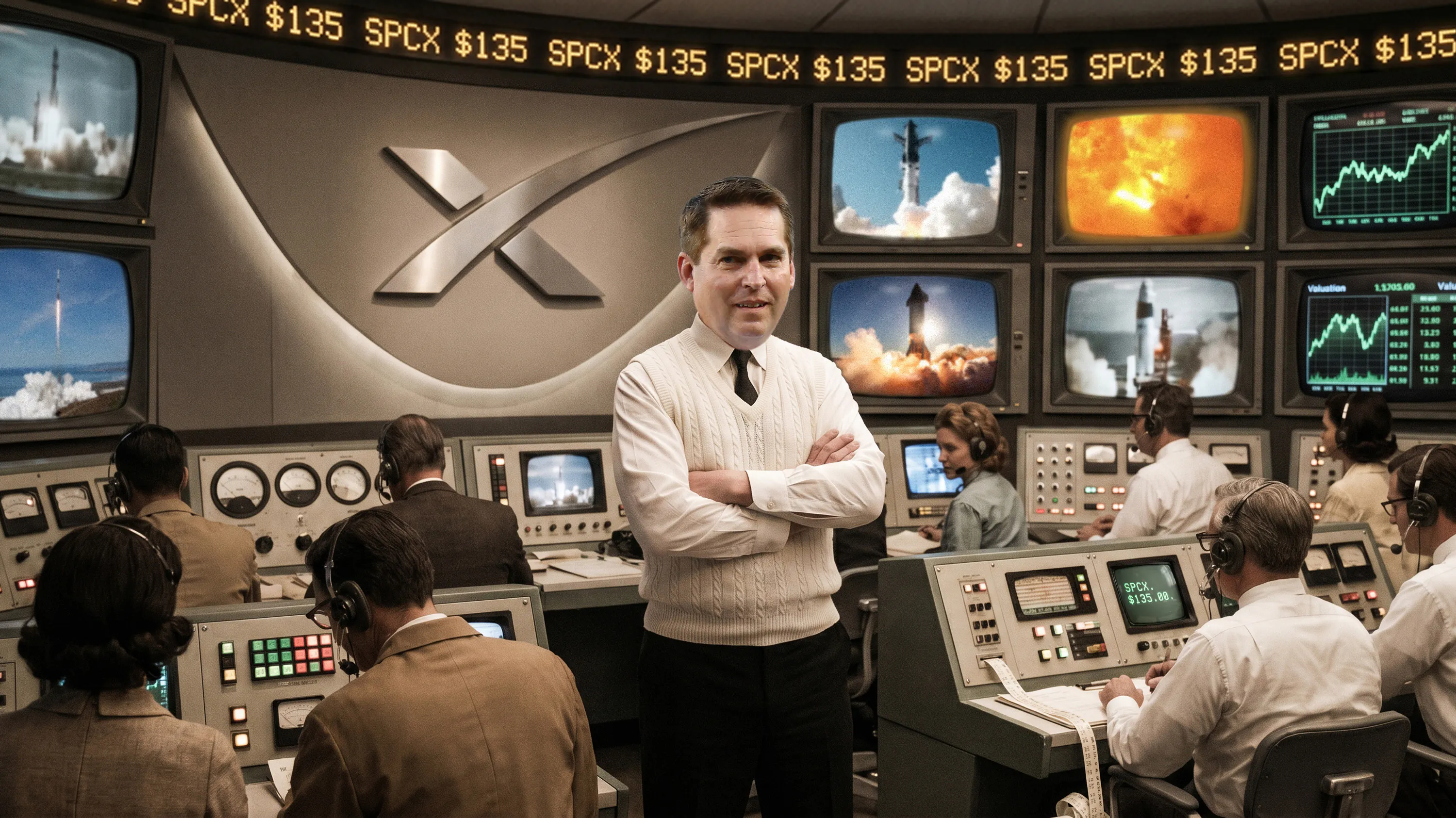
SpaceX’s CFO Is the Quiet VIP of a Wild IPO
Bret Johnsen, SpaceX’s low-profile chief financial officer, has tried to keep a grip over the most frenetic episode in his decade-plus at the company. It will only get crazier from here.
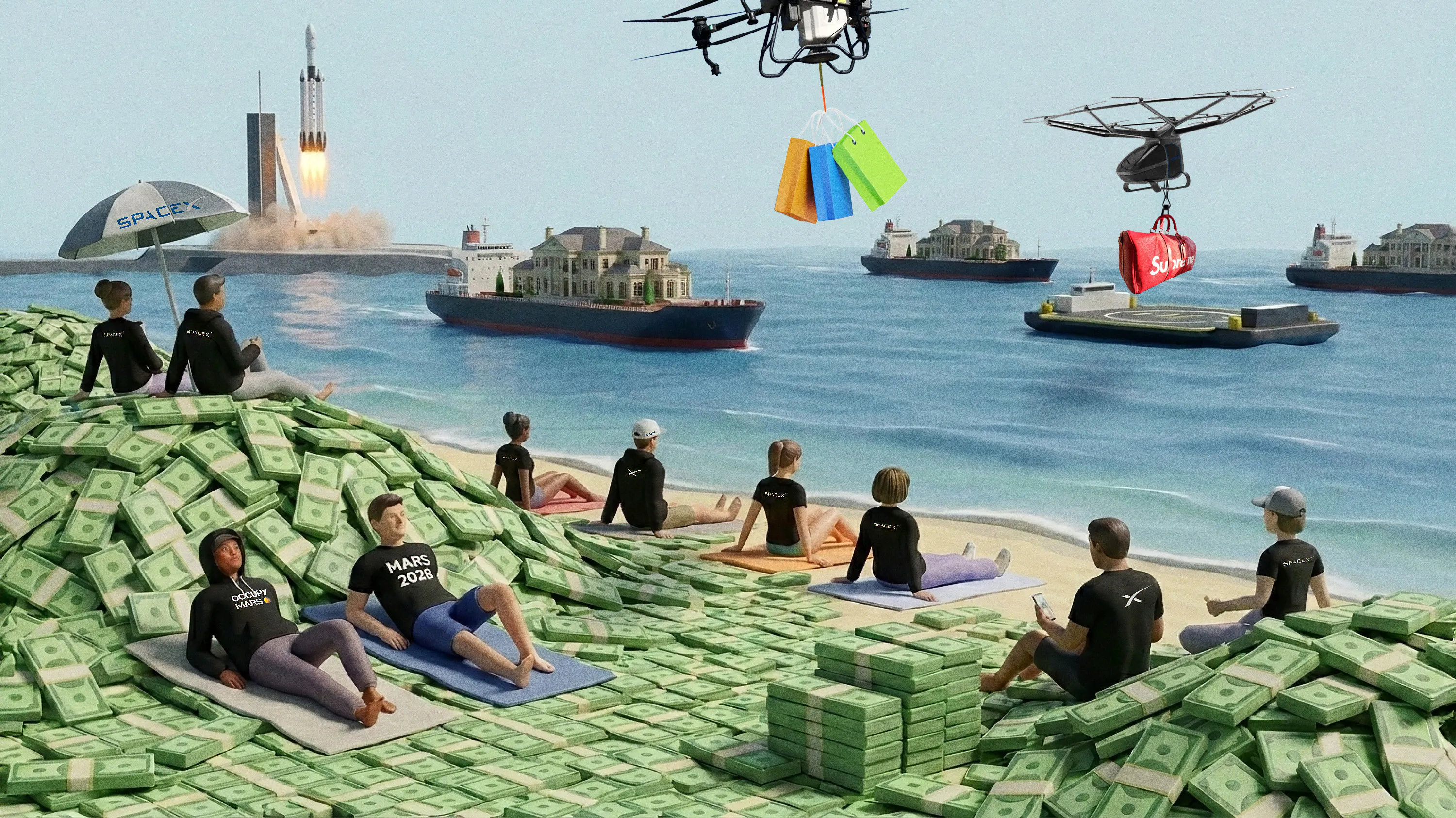
SpaceX Millionaires Mull IPO Windfalls: A House, a College Fund—or ‘Chill on a Beach’?
The offering will grant existence-changing wealth to people who are only now really considering how to spend it.
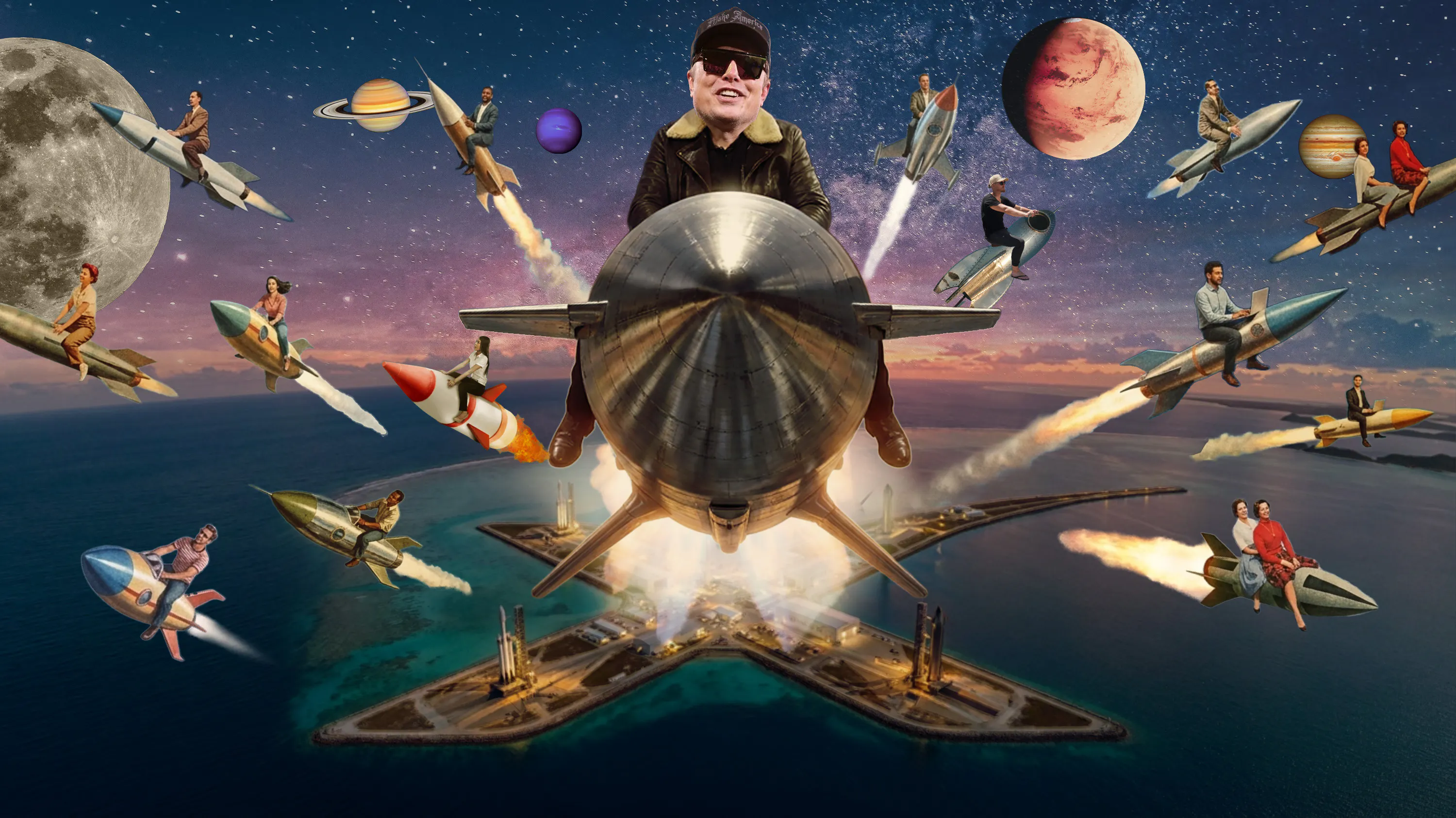
SpaceX Mafia Eagerly Await Their Own Liftoffs From IPO
An extensive network of former SpaceX employees turned startup founders—many of whom have their own outer space ambitions—expect the offering will boost their companies’ fortunes, too.

Listening: “Where the River Took Us”
Within days of an extraordinary catastrophe, Aaron Parsley, a Texas Monthly editor, accomplished something extraordinary for the pages of his magazine: He wrote a vivid, heartwrenching account of how the flood waters of the Guadalupe River in south Texas had washed away his family’s home from its 20-foot perch above its bank—and taken the life of his infant nephew. It is one of the most human and captivating stories I read last year, and he returns to the topic with even greater vulnerability in a Texas Monthly–produced podcast: He revisits the fateful evening—this time with help, adding interviews with his husband, father, brother-in-law and others—and traces how the disaster has shaped their lives since. It is a single family’s story but also one about modern Texas, and its raw intimacy should be a warning for anyone who cares about the land of hackberries and cypress trees.—Abram Brown
Reading: “Villa Coco” by Andrew Sean Greer
Andrew Sean Greer won a Pulitzer Prize and a good amount of literary fame for “Less,” a funny novel about a man lost in middle age. His latest, “Villa Coco,” is also a funny novel, this one about a man lost in youth. The unnamed protagonist is a recent grad who has spent his university tenure engaged mostly in flings and frivolity. Still, he has managed to walk away with an art degree, and he hopes to begin figuring out his purpose in life by accepting a temporary job cataloging the masterpieces owned by a 92-year-old Italian baroness. Seeking to find industriousness in seclusion, he takes up the post as a live-in scholar at her remote, ivy-covered Tuscany mansion, the titular Villa Coco. (Like the best homes in fiction, Villa Coco itself is a supporting character, a place with shoddy plumbing, careening staircases and regularly vanishing artwork.) But he soon finds that little is as it seems—most notably, his employer’s background and true motivations. As he tries to wrap his head around his circumstances and his imperious, mischievous boss, one of the baroness’s friends pushes him “to think of her as a magic door. Every time you open it, it leads somewhere new.”—A.B.
Watching: “Star City”
As much as I still enjoy “For All Mankind,” Apple TV’s alt history of the space race between America and the Soviet Union, I won’t deny the long-running series has lost a significant amount of narrative propulsion. Excitingly, “Star City,” a new spinoff that switches focus to the Soviets, is a thrilling return to form.
The debut season takes place in the 1960s—just as the Russians beat America to the moon—and much of the plot takes place at the namesake headquarters of the Soviet space effort, Star City. Its leader, known just as Chief Designer (Rhys Ifans), is under pressure from his government to hurriedly colonize the moon, furthering Russia’s lunar oneupmanship with America; his attention is elsewhere, contemplating missions deeper into the solar system. Meanwhile, a KGB creep (Anna Maxwell Martin) keeps all the cosmonauts under strict surveillance, including the program’s reluctant star, Anastasia Belikova (Alice Englert), who’s just become the first woman on the moon. To keep an eye on Belikova and the others, the KGB employs a robust staff of eavesdroppers and surveillance agents, and one of the most driven of them, Irina Morozova (Agnes O’Casey), quickly finds that fulfilling her ambitions means treading a cruel, violent path.
The look of “Star City” is exceptional, a shadowy, grimy world of brutalist decay, and quite a few of the sets appear to have been stained with gale-force cigarette smoke. Narratively, “Star City” has high and unpredictable stakes, which give it a “Three Days of the Condor” tautness that “For All Mankind” has lacked. Sure, the original series has had its share of danger and death: Extraterrestrial exploration is perilous. Yet the hazards came at somewhat obvious moments—space walks, space launches, space landings. By contrast, calamity arrives with more spontaneity in “Star City,” where grim tragedy is as likely to strike unexpectedly on terra firma as it is in outer space. That’s one aspect of the Soviet Union the show left unchanged.—A.B.
Discussion (0)
Sign in to join the discussion. Free account, 30 seconds — email code or GitHub.
Sign in →No comments yet. Sign in and be the first to say something.